Gerard Lebik plays Wacław Szpakowski (1883–1973)
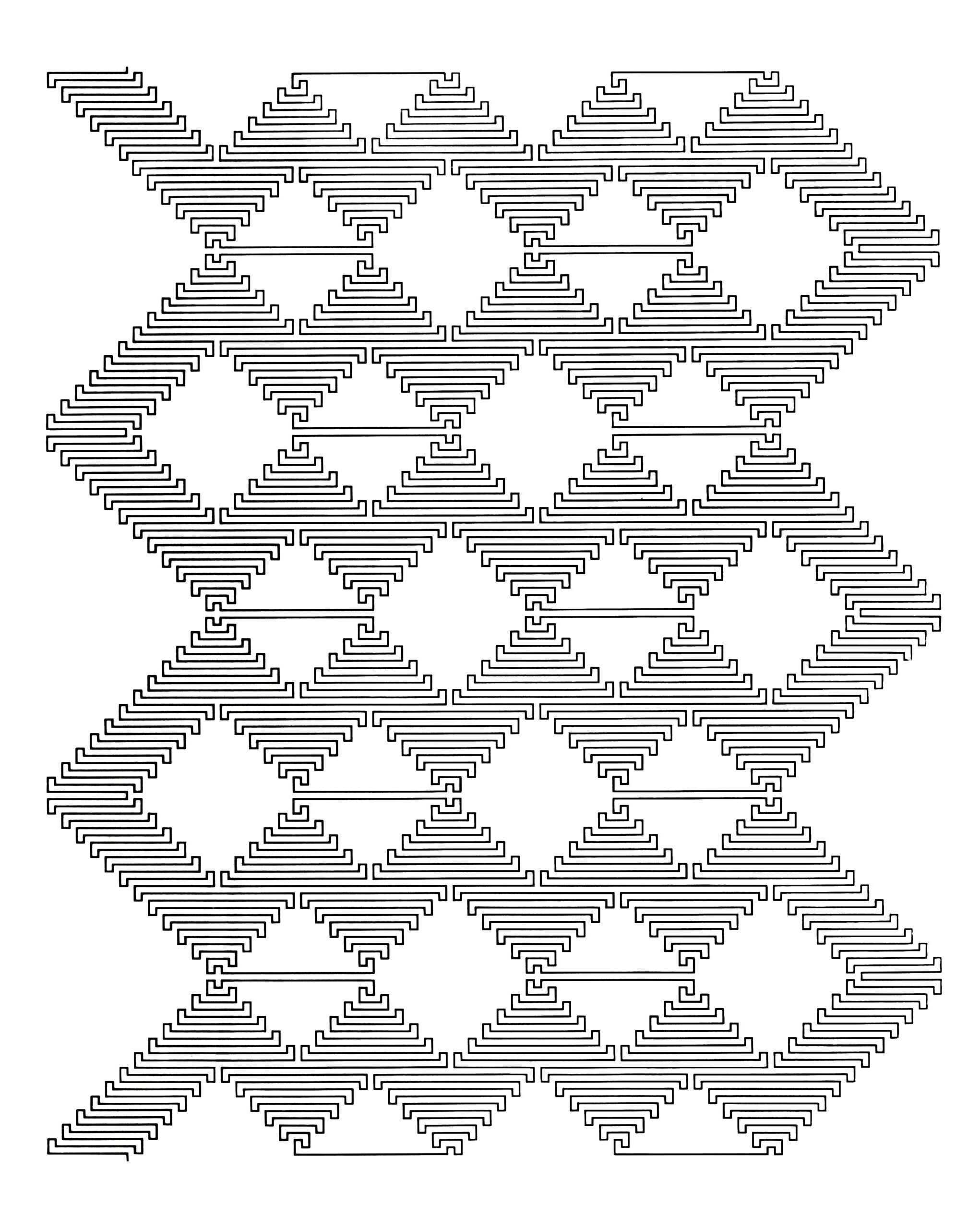
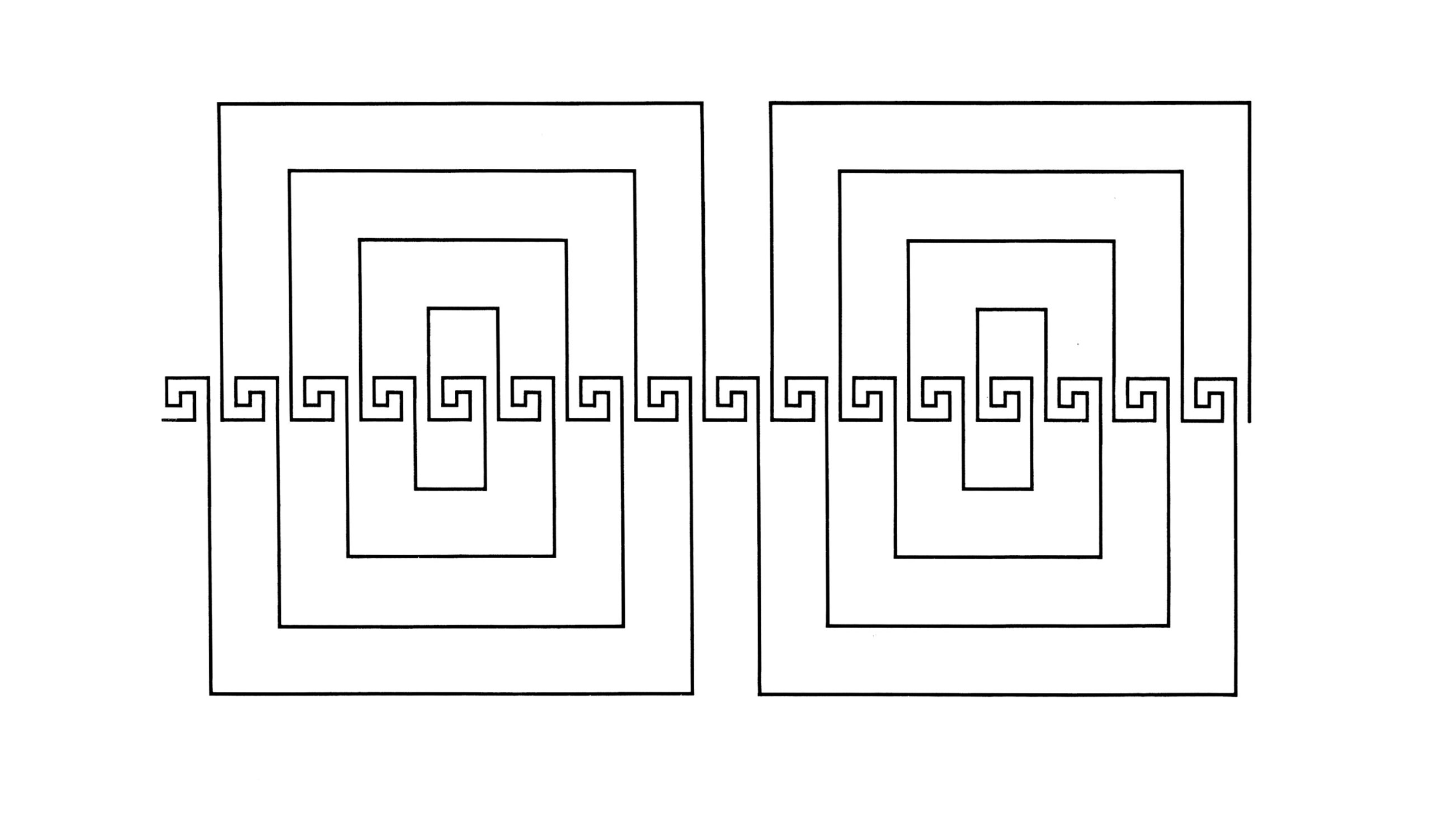
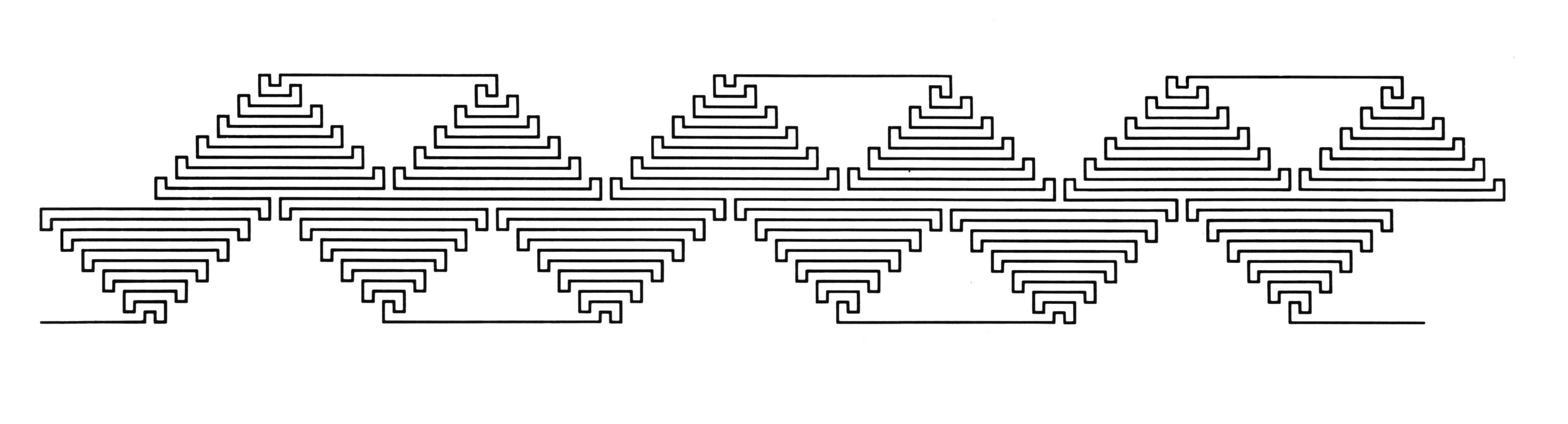
Gerard Lebik plays Wacław Szpakowski (1883–1973)
The idea of the project is to transfer the visuality of the phenomenon of Wacław Szpakowski into the auditory sphere, finding an acoustic and musical equivalent for this visuality through the process of sonification of the space.
The project aims to seek to transcend the boundaries of visual perception and delve into the realm of psychoacoustic auditory sensations. Inspired by the profound artistic expressions of Wacław Szpakowski, my goal is to transmute the very essence of his mesmerizing visual creations into sound architecture, forging an auditory experience that echoes the depth and intricacy of his works. Rather than merely crafting a conventional soundtrack that accompanies Szpakowski’s art, my intention is to create a multi-layered acoustic structure, that is more like a palimpsest to his artworks.
Through the process of sonification, I strive to unravel an acoustic and musical equivalent for the captivating visuality that Szpakowski masterfully captured within his creations. This sonic act takes shape as a site-specific spatial composition. A profound exploration of the interplay between acoustic properties of sine waves and their reflections in a defined acoustic medium causes an organic network of beats vibrating at the points of intersection of these waves. My endeavor seeks to extract the essence of Szpakowski’s two-dimensional lines, liberating them from their confined existence, and allowing them to transcend the boundaries of the drawings.
Wacław Szpakowski (1883–1973) was an artist, architect, photographer and musician. Being a forerunner of geometric art, minimal art and op-art, he became the leading figure in the shaping of the Polish geometric avant-garde. Szpakowski believed in the possibility of creating a coherent visual system to describe the reality that surrounds us. Fascinated in the rhythmic repetitiveness of nature, his abstract way of thinking drove him into exploring linear schemes in various phenomena present in nature, architecture, science and art. This approach became the fundament for creating systems of graphic descriptions of linear infinities, and later on for creating patterns of rhythmical lines. He described his own language of forms and signs, which in his art strived to reflect the partial structure of the world. Dutch writer W.F Hermans saw in his work what he called a “primal passion of infinity researchers, explorers of the structure of the world”.
In the field of visual arts, Szpakowski offered a new trajectory of art development, leading it out of the “primary state” rooted in the culture of ancient Greece into the contemporary. While doing so, he consciously omitted the state of traditional illusionist art based on representation and central perspective, with the image within the frame being its staple example. His drawings ignore the great problematics of the image, so fundamental not only for the medium of painting, but also underlying the practice of new media, and foremost photography and film.
Rhythmical lines are a syncretic piece, reaching toward common characteristics of art, science, visual practices, music, and more in a symbolic way, literature. As Matila Ghyka puts it, referring rhythmical lines to contemporary mathematics and ancient knowledge, they can simultaneously be a work of art, music and science.
We first notice astonishing sets of fragmented lines in the sketchbooks of Wacław Szpakowski in 1900, the year he was still a student at the Faculty of Architecture at the University of Technology in Riga. These images became the underlying basis for the great cycle of Rhythmical Lines that continued for the following 55 years. The project has been recognized only after the artist’s death when it had been exhibited in places such as the Museum of Art in Łódź and the Museum of Modern Art in New York. Today, Szpakowski is considered to be the leading figure of the Polish avant-garde and the trailblazer of global geometric art. With its fascinating visual side, the fractured compositions built with mathematical precision, take the viewer on the exploration of the concept of infinity. As the elementary idea of the compositions is the possibility of endless continuation. The repetitive rhythmic sequences function as a synthetic description of the world, creating its own Perpetuum-mobile being dynamic along with the fleeting time, which is so crucial in the perception of Szpakowski’s works.
I
Sound/visual installation – interpretation and sonification of Wacław Szpakowski’s „Rhythmic Lines” series of drawings as a part of exibition:
WACŁAW SZPAKOWSKI: 935 MOVEMENTS IN AN INFINITE LINE 19.11.2021 – 09.01.2022 CSW ŁAŹNIA
II
Sound/visual installation – interpretation and sonification of Wacław Szpakowski’s „Rhythmic Lines” series of drawings as a part of the 8th edition of the Sanatorium of Sound Festival in Sokołowsko Series S / 1938-1950; A 1 / 1930; F 3 / 1925.
Concept: Łukasz Kujawski Animation: Łukasz Grynda