Tractography Neural Tracts Noise - CSW Łaźnia
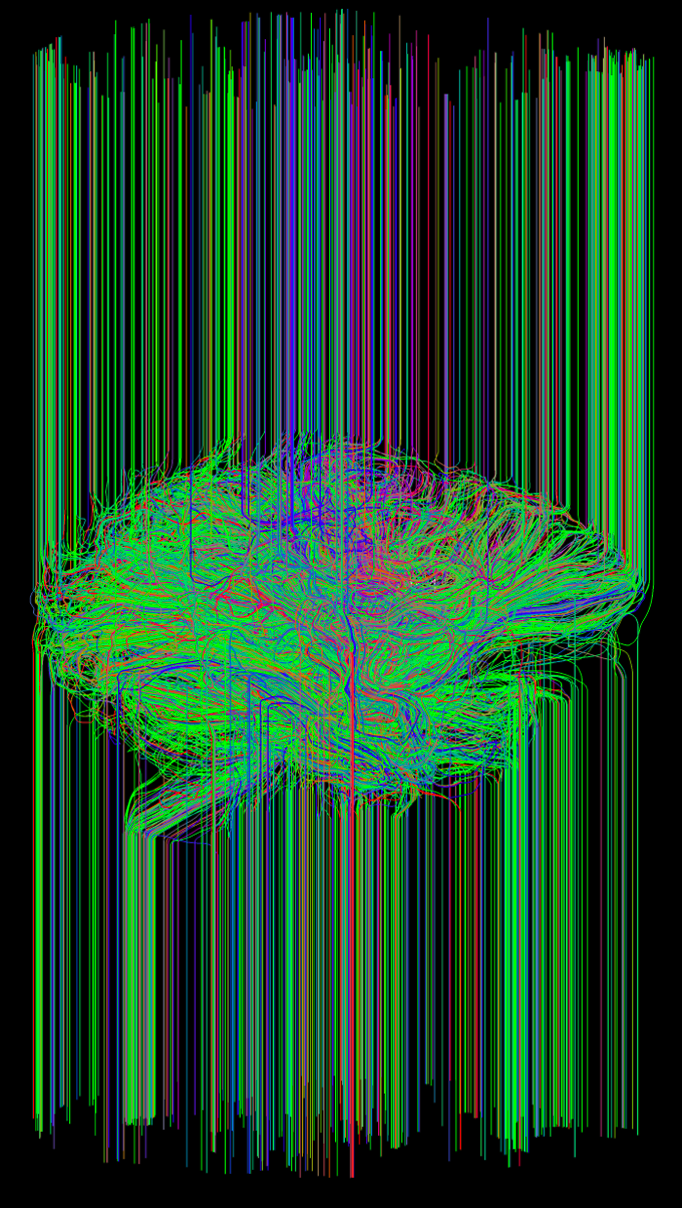
The concept of the organization of sound material is based usually on the basis of the system and set depending on the system. The project tractography Neural Noise certain order for the system determines the order of the other. One particular type of specificity of the system (the algorithms used in the method of diffusion tensor imaging tractography) is transposed and is used as a new organizing principle for audio material, neural tracts and their way of organizing the system of the brain are the order for a new system of organization of sound material, a new kind of sound design determined dependencies remaining in the system of neurons of the brain. Algorithmic compositions based on data resulting from technology-based imaging of the human brain neurons.
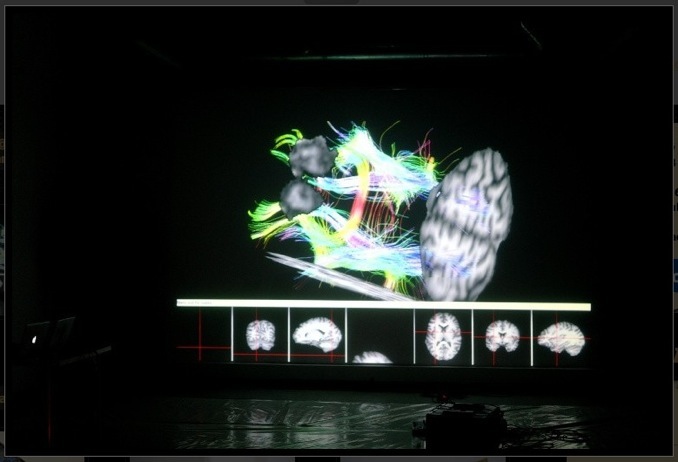
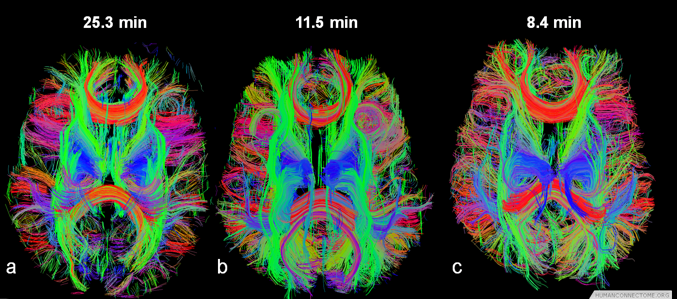
Tractography – diffusion tensor tractography -a non-invasive technique of magnetic resonance imaging, allowing visualization of direction and continuity in the course of the nerve fibers of the central nervous system. The data needed to create an image of the spatial arrangement of nerve fibers in the nervous system is achieved by means of diffusion tensor imaging (MRI diffusion imaging, DTI). DTI (diffusion tensor imaging) is a method used for the analysis of MR diffusion anisotropy of the central nervous system and may represent a subtle anatomy white matter of the brain. In particular, tractography is a unique tool for non-invasive insight into the anatomy of the white matter pathways.
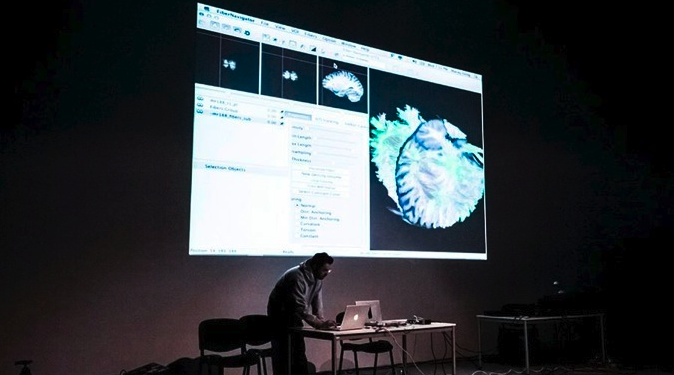
During the presentation, see the visual material from the original software used for the DTI tensor imaging technique, consulted and provided courtesy of Dr Alfred Anwander-Department of Neuropsychology-Max Planck Institute for Human Cognitive and Brain Sciences, Leipzig.
Tools: Fibernavigator-tool for visualization of DTI and MRI data.Experimental connectome viewer-can view Connectome web-based viewer-Ralph Schurade, Alfred Anwander.
TrackVis-software visualizes and analyzes fibre track data from diffusion MR imaging(DTI / DSI / HARDI / Q-Ball) tractography.
SuperCollider-environment and programming language for real-time audio synthesis and algorithmic composition. Pure Data(Pd) visual programming language.
Consultation and cooperation in the field of substance MRI techniques, DTI:
The project was a part of Bios@Techne@Art Curated by Maciej Ożóg made for CSW Łaźnia